February 17, 2026 Pool Party Lifeguards


eEver imagined the perfect waterfront festival, music echoing across the water, families relaxing on the shoreline, kids splashing nearby, and food stalls buzzing with energy? It sounds exciting… until you pause and ask yourself: What happens if something goes wrong?
When it comes to planning an event in an area close to water, safety is no mere checkbox on the planning list; it’s what holds the whole event together. From unexpected tidal patterns to large groups of people around the shoreline, waterfront festivals require meticulous planning, coupled with seasoned professionals at the helm.
And that’s why structured planning of event water safety and first aid services becomes more than just a need. With the right team and equipment to handle emergencies, you’re not just running an event; you’re providing a safe experience in which people can relax and have a great time.
Let’s walk through the ultimate checklist to help you plan your waterfront festival with confidence.
Water adds a unique layer of complexity in event management. Contrary to most venues, the presence of water poses the risk of:
Due to the above factors, security arrangements of a general nature are not considered sufficient. Trained security personnel familiar with aquatic risk management, emergency response planning, and on-site medical services are required. It is here that structured event water safety & first aid services become vital in the context of water management and security.
Prior to booking acts and setting up stages, safety planning must commence with a site assessment.
Walk through the entire venue and identify:
The professional safety team should assess the environmental factors such as tides, patterns of weather, water depth, and emergency vehicles.
So, before the excitement takes over and vendors start setting up, take a moment to ask yourself, have you mapped out exactly how you’ll handle the unexpected? Knowing that every waterfront location is unique, your safety plan should include:
A structured and documented plan ensures that the event organizers, the safety teams, and the local authorities are coordinated.
When your event involves beaches, lakes, rivers, or water-based activities, trained lifeguards are critical.
Ensure your team includes:
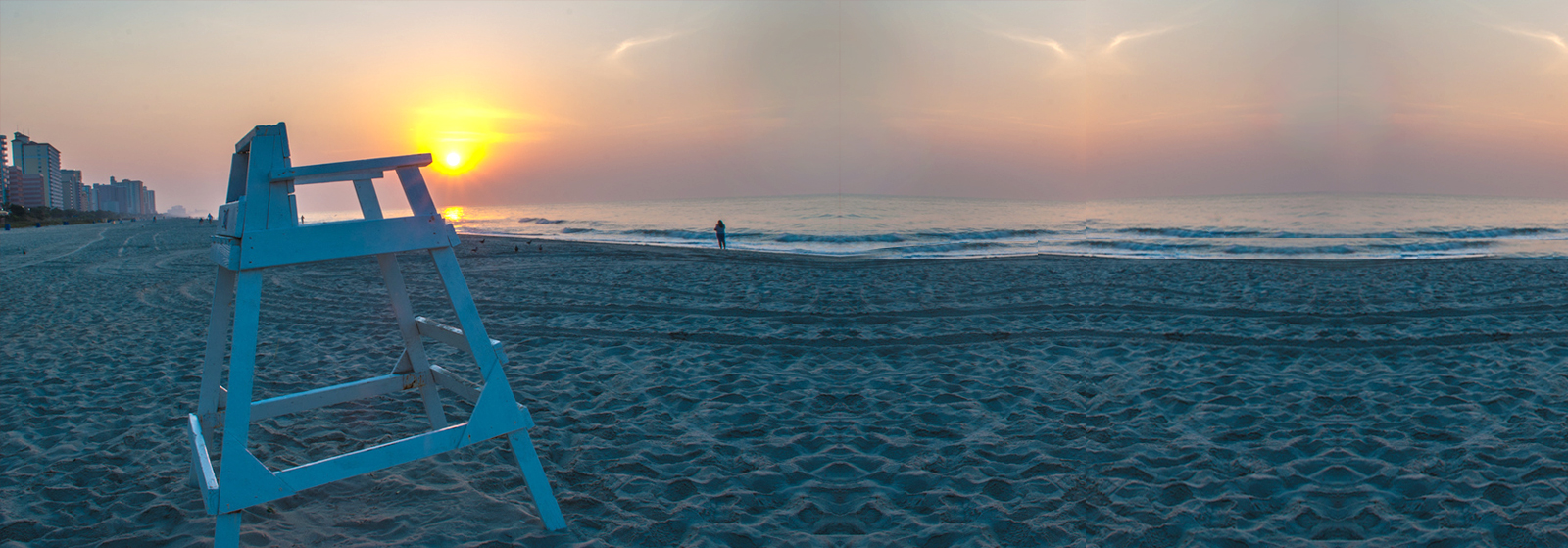
Lifeguards should be strategically positioned for clear visibility and quick response times.
Effective water safety isn’t just about responding to emergencies; it’s about preventing them. This includes:
A visible safety presence also reassures attendees and builds confidence in your event’s professionalism.
Regardless of how prepared you are, there is always an opportunity for something unexpected to turn up when there are large group gatherings around water. Despite how prepared you are for an event, there is the risk of something unexpected turning up. This is why the presence of on-site medical support is an advantage.
Clearly marked first aid stations should be:
Strategic placement near high-traffic zones ensures quick access during emergencies.
Professional first aid teams should be prepared to manage:
Immediate on-site care has been shown to decrease the need for hospitalizations and improve medical outcomes.
Preparedness depends on having the right tools available.
Your waterfront event should include:
All equipment must be regularly checked and strategically positioned.
On-site medical support should include:
Equipment accessibility can make the difference in time-sensitive emergencies.
Water festivals, on the other hand, possess incredible energy and atmosphere. Safety, though, has to be the number one concern. Moreover, you can provide a safe environment with structured planning, qualified lifeguards, professional medical teams, and clear communication systems so your guests feel secure and supported.
Plan smart, stay protected, and power your event with West Coast Water Safety.

5 things you will learn at the Broome Pool Lifeguard Training Course
August, 29 2023

Do Not Resuscitate tattoos – What would you do?
November, 9 2019

Drowning Doesn’t Look Like Drowning
May, 23 2019

Automatic External Defibrillator AED Quiz
October, 11 2019

Rock Fishing- Australia’s most dangerous sport
October, 12 2019