When it comes to student safety around water, most schools agree on one thing: Children need expert supervision to avoid any unfortunate mishaps. But once that thought settles in, another question quickly follows. Where do you actually begin? Do you start with equipment or Policies? Where to allocate resources first: Staff training or student awareness? And if you are responsible for student safety, how do you know you are not missing something important?
This uncertainty is exactly why School water Safety in Perth has become such an active conversation among school administrators, sports coordinators, and management teams. The good news is this: a strong water safety program does not need to be complicated. It needs to be structured, practical, and built on the right foundation. Follow along for the structural path forward in ensuring optimal water safety at your school.
Recognising the Significance of Water Safety
Swimming lessons and pool supervision are just two aspects of water safety in schools. It covers all circumstances in which pupils might come into contact with water. A school swimming pool, water sports programs, field trips, camps, or even communal facilities could be examples of this.
The objective is straightforward: minimise risk, be ready for crises, and make sure those in charge know exactly what to do in the event that something goes wrong. However, this is the crucial query: Are your staff taught to react with authority and confidence in practical circumstances? Staff members with practical training make well-informed decisions, respond more quickly, and provide a safer environment for students without instilling fear or limitations.
Professional Water Supervision for Schools
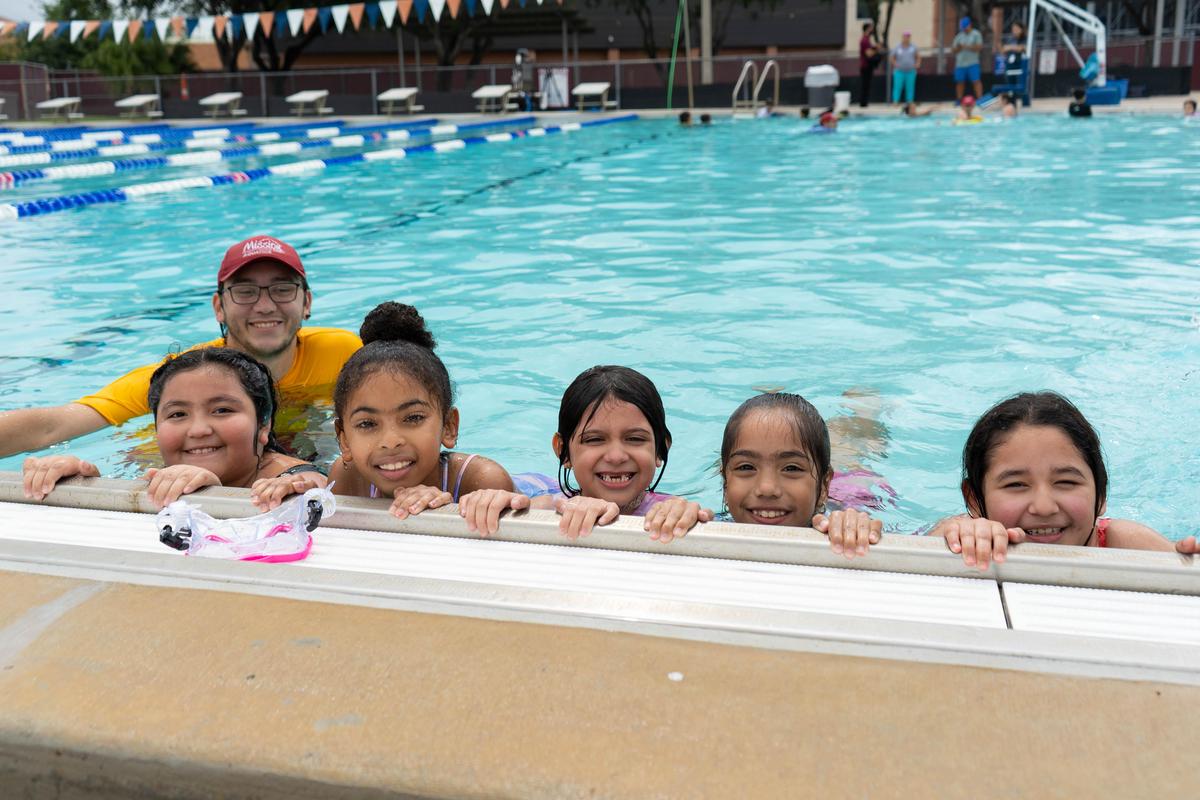
A strong school water safety program is not only about rules on paper. It is about having the right professionals on the ground. Structured school water safety programs are delivered by trained ocean lifeguards who understand both pool and open water environments. These sessions follow recognised Department of Education aquatic supervision guidelines, ensuring students are supervised by qualified professionals at all times.
As a result, pressure is removed from school staff and allows them to focus on supporting students rather than managing risk alone. The result is a safer, more controlled environment where learning can happen without constant concern.
Building Confidence around Water
Beyond supervision, these programs focus on teaching students how to behave responsibly near water. Students learn to recognise risks, follow safety instructions, and stay calm in aquatic environments.
Hands-on exposure builds confidence rather than fear, helping young learners develop safer habits that stay with them beyond school activities. Over time, this approach supports better decision-making and a stronger respect for water safety in everyday life.
Why Schools Are Prioritising Structured Training
Across Perth, schools are recognising that informal training is no longer enough. Parents, regulators, and school boards expect professional standards. Structured training programs offered by experienced providers bring consistency, credibility, and clarity. They remove guesswork and replace it with proven frameworks. This shift has also helped schools improve staff confidence. Trained staff is calmer, more decisive, and better prepared. That confidence directly impacts student safety and overall school culture.
Conclusion
Building a robust water safety program does not start with paperwork or equipment; it starts with people and the quality of training they receive. By choosing a trusted safety training academy, schools create safer environments that function confidently in real situations. For schools looking to strengthen their approach to student water safety with structured, professional training, West Coast Water Safety (WCWS) offers practical certification pathways that support schools in building safer, more prepared campuses.