
Common Pool & Beach Injuries- What to Do Until Help Arrives

Picture this: It is a perfect summer day; towels spread out, sunscreen applied, kids racing towards the backyard pool while adults get together, and snap! Somebody slipped on a wet tile. Scary, right? Pools and beaches are made for fun, but accidents can occur when we least expect them. Knowing how to respond in those first few moments before the help arrives can make all the difference. This is why practical first-aid knowledge, the kind-of taught in a Pool Lifeguard training Course in Perth is just as important as supervision. In this blog, we will get to know about some common pool and beach injuries and what you can do immediately! 

Sunburns and Heat-Related Illness

Ever experienced sunburn leaving you with a red, painful and uncomfortable mark? Though sunburn may feel like just a part of a beach day, it can drain your energy. What you can do right away is move out of direct sunlight, apply a cool compress and keep yourself hydrated. A gentle aloe vera gel can soothe the burning sensation. Beyond these primary safety aid, the lifeguard safety programs also emphasises recgnising early signs of heat-related illness and dehydration. If there’s severe blistering, fever or nausea, seek medical attention without delay.

Jellyfish Stings and Marine Hitchhikers

Walking along the coast and a jellyfish stings your foot? Don‘t panic! Remove the visible tentacles using tweezers or gloves, rinse with seawater (not freshwater) and immerse the area in warm water to ease the pain. Monitor for allergic reactions such as breathing difficulty or swelling of the face to throat.

Accidental Slips and Sprains

A twist of an ankle or a pulled muscle doesn’t always require a trip to the clinic, but it does need a calm and quick response. Follow the R.I.C.E. rule:

  • Rest: Restrict the mobilisation.
  • Ice: Cold packs reduce swelling
  • Compression: A bandage can provide support.
  • Elevation: Raise the limb above the heart if possible.

If one feels intense pain or movement is impossible, medical evaluation is wise.

Near-drowning and Water Distress

Nothing is more frightening than someone struggling in water. It demands immediate action if it’s safe to do so. 

  • Call emergency services right away.
  • Use a floatable tube or a pole, don’t jump right in unless trained.
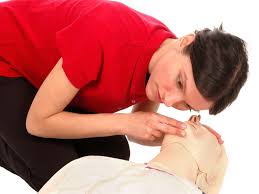
  • If the person is not breathing, perform CPR if trained while help is en route.

Prevention plays a major role here. Strong swimming skills and keeping children under constant supervision can prevent any unforeseen situations.

The Importance of Lifeguard Trainng

Basic first aid indeed prepares you for every day mishaps, but lifeguards courses equip you to manage emergencies under pressure. For someone already holding a “Provide First Aid (HLTAIDO11) certificate” can go for Two-day lifeguard course that covers aquatic first aid, rescue techniques like CPR, risk assessment and oxygen use when needed. One can also go for Three-day full training course that teaches complex rescue skills oxygen therapy.

Final Note

Injuries at the pool or ocean don’t necessarily have to turn your day around. With basic first-aid and calm actions, you can make things a lot better before help arrives. 

Ready to dive deeper into safety with us at WCWS? Reach out to us for the Pool Lifeguard Training Course in Perth and the Ocean Lifeguard Training Course in Perth WA and help save precious lives with every splash under the sunbeam.

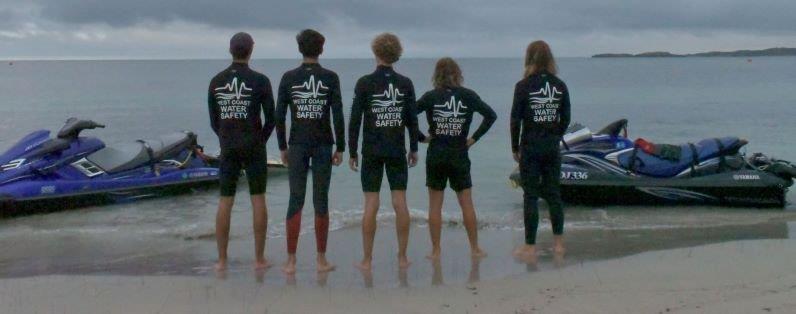
The Importance of First Aid Services at Water-Based Events in WA

Water-based activities are significant in Western Australia (WA), with many people and visitors visiting beaches, rivers, and pools. However, these can be risky. Statistical analysis shows that one-half of all water sports injuries occur while the individual is in the water. Of these, 56% are caused by improper landing techniques, and 41% are due to trying something new. These statistics only reinforce the requirement for event water safety & first aid services to have an added safety feature and response mechanism in an emergency.

cpr course perth

Why are First Aid Services Crucial at Water-Based Events in WA?

From swimming competitions to jet-skiing exhibitions, water-based events have unique safety issues. Professional first aid services ensure that injuries or emergencies are promptly resolved.

  • Immediate Response: Water-related accidents require every second to be counted. If a trained person can respond within these seconds, minor injuries may not develop into serious ones.
  • Drowning Prevention: Drowning can be prevented if well-equipped first aid professionals are present and familiar with CPR in critical situations.
  • Specialized Care for Water-Specific Injuries: Common injuries like concussions, cuts, and strains require special treatment that first aid responders are trained to administer easily.
  • Better participant confidence: Professional event water safety and first aid services ensure participants will be safer and more focused on participating in the activities.
  • Regulatory Compliance: Having first-aid trained personnel helps one achieve regulatory compliance while increasing the credibility and reputation of the event.

Also Read: Lifeguard Course And Training In Perth, WA

Common Risks at Water-Based Events

Some of the potential hazards generally associated with such activities include the following:

  • Aquatic Emergencies: The causes for drowning or near-drowning are primarily due to exhaustion, panic, or being unable to swim. There is a need to address these emergencies immediately, as they could pose fatal outcomes.
  • Physical Injuries: Since a water facility holds the event, falls due to slips and collisions happen very commonly, resulting in cuts, abrasions, or even fractured bones. Wet grounds and overcrowding are usually the reasons for such injuries.
  • Sunburn and Heat Stress: Excessive sun exposure at water events can result in severe sunburn, dehydration, or even heatstroke. People often underestimate the potential risk of solar intensity, particularly in water settings.
  • Equipment-Related Injuries: The most common cause of watercraft accidents, such as jet skis or boats, is improper handling, which can lead to serious injuries. Operators’ lack of experience or improper equipment application increases the risks of such dangers.

Conclusion

With the growing number of water accidents, learning the basic first aid techniques is not just a precaution. It has become a necessity for any water-based event held in Western Australia. Knowing the first aid technique gives participants confidence and peace of mind. Moreover, it increases the security of water-based events. 

So, it is high time you took the first step to safety at your next water event! Connect with West Coast Water Safety (WCWS) for the best and most tailored event water safety and first aid services. Let’s make water activities safer together!

Also Read: How to Become a Certified Lifeguard: A Complete Guide

How to Apply for Lifeguard Course Certification to Become A Trainer?

Lifeguards have responsibilities from rescuing swimmers from unsafe conditions to administering CPR and providing first aid. They receive ample amounts of training before working as trainers. This work is physically demanding, and depending on the situation, you will have to work accordingly. Before becoming a lifeguard trainer, it is necessary to complete a lifeguard course with lifeguard course certification. We will show how to get your lifeguard certification and some tips.

What is lifeguard certification?

Lifeguard certification is a requirement that an individual needs to prove that ability to complete lifeguarding duties at the public pool or other bodies of water. A lifeguard certification repairs an individual to prevent accidents, analyze the surroundings, recognize potential dangers, and make appropriate decisions. This certification also prepares the individuals to administer medical dead like CBR water treatment, spinal injury management, etc. An individual who receives their certification can list this accomplishment on their resume and use it to apply for the position as a lifeguard.

How to get lifeguard certification?

Below are the six steps on how you can get the certificate

Choose what kind of lifeguard certification you want

Before starting the process of owning a lifeguard certification, it is important to determine what kind of instruction you want to receive. Some lifeguard courses cover traditional knowledge while others give practical knowledge. For instance, you can sign up for a lifeguarding course focusing on shallow waters. This course helps participants know what they need to know if they plan to work in the water park, which has a maximum depth of 3 to 8 feet.

Find an organization that offers local classes

Many organizations offer lifeguarding courses. You should find one that offers classes in your area as online training is insufficient to learn the necessities. Some examples of organizations offering in-person lifeguard courses include West Coast Water Safety.

Qualify for the pre-course skills test

Most lifeguarding courses require candidates to take the pre-course skills test to show their abilities, strength, and endurance.

Sign up and complete your course

Once you are comfortable with the fitness assessment, you can sign up and complete your course. During this course, the instructors will teach you how to prevent, recognize, and respond to water emergencies. You’ll learn how to respond to cardiac and breathing injuries, administer first aid treatment, and perform CPR treatment. The instructor also teaches about laws and safety practices that you must follow while working. It takes approximately 25 hours to complete the course.

Take the qualifying exam

After completing the lifeguarding course, you can take the qualifying exams, which differ based on the organization. The first part is a written test; you must have 80% to clear the exam. Later, you are presented with three scenarios you will have to complete under the instructor’s supervision. After meeting all the requirements, you can get the lifeguard certification.

Apply for renewal

Lifeguarding certification requires renewal every two years. You can apply for the renewal by continuing education classes and passing the exams again. The renewal process helps ensure that you are up-to-date and have the relevant lifeguarding skills and techniques.

If you’re looking for a lifeguarding course, your quest has ended at West Coast Water Security. Contact us and explore our courses for Lifeguard Course Certification. We offer a plethora of services for you to choose from.

Also Read: How To Become A Certified Swim Teacher: Top Courses In Australia

Everything You Ever Needed To Know About First Aid Training and Certification

We have witnessed many accidents and illnesses while on the streets or in the workplace. In such a scenario, the first ideal step after calling 000 would be giving first aid to the injured. 

What is first aid?

First aid refers to the immediate course of action one takes to provide care and support to the injured before professional medical help arrives.

Depending upon the type of injury and the severity of the injury, we decide what kind of aid one should provide. Giving first aid can make a significant difference for the injured. You can save a life with your careful actions.

Why is it essential to have first aid training and a certificate?

The course of action that you take directly affects the condition of the injured. With no first aid training, you can only perform basic tasks like identification, calling for medical assistance, saving the victim from extra hazards. In case of a severe accident, you may get guidance from emergency system dispatchers to perform CPR or use an ADE.

However, delay in giving medical care or providing first aid with partial knowledge is risky and dangerous. It is necessary to know the use of the tools in a first aid kit, when to use them, and what vital skills and techniques are required to handle a specific injury.

First aid training enables you to confidently and carefully help people in need.

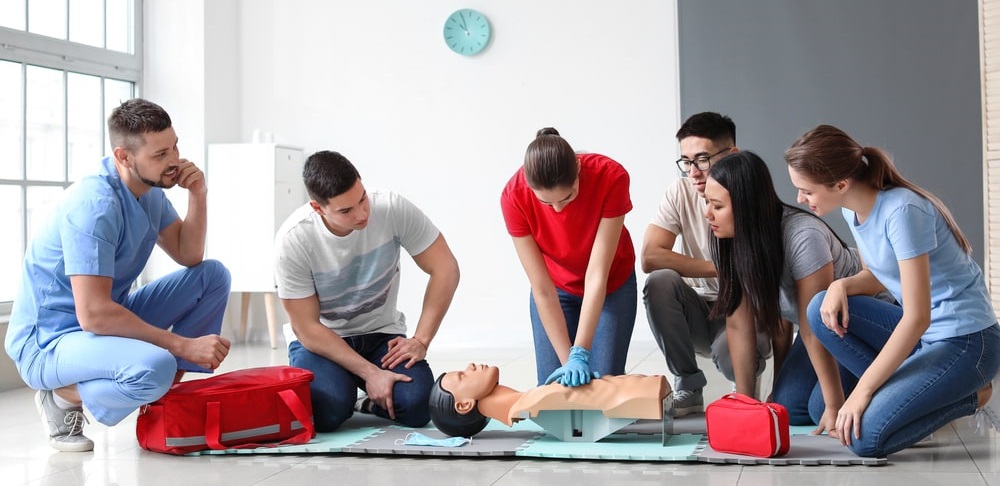
West Coast Water Safety (WCWS) offers you a fully customizable group first aid training course. You choose the time and place we offer you certified training according to your needs – for both freshers and re-qualification. Log on to our website, contact us and get your First Aid Certificate Perth 450 2660000 in a few easy steps.

Here are a few crucial things that you should know about first aid training and certification:

1. There are many first aid courses available. To choose the right course, it is essential to know the environmental requirements and position’s requirements. It is necessary to know what skills one requires to deal with hazards and work on them.After getting a first-aid certificate, one should revisit the learned skills formally and apply for re-qualification. Usually, it is done every three years to maintain the title of a certified first aid giver.

2. First aid courses train people to deal with cuts, wounds, cardiac and respiratory problems, and many more. Before getting into a formal training course, it is important to know your capabilities when looking at blood or injury directly.

3. From conducting training for school children to churches, WCWS will understand your environment needs and compose a course that will give you excellent skills and a First Aid Certificate Perth 450 260000.

WCWS is a team of the most experienced lifeguards and event safety guards in Australia. With the large crew with people from various safety disciplines on board, we ensure complete security to around 1.5 million people every year. We understand the need for safety and work to save lives and make our fellows able to save lives. With our First Aid Certificate Perth 450 260000, we promise to make every trainee a confident and skilled first aider.